Research
Moringa Benefits for Athletes: What the Research Actually Shows
One of the few areas with real human performance data — endurance, oxidative stress and recovery, with the strength of the evidence rated honestly.
Read the Research
The most nutrient-dense plant on record — what it is, why it matters, and what the research actually shows.
What Is Moringa?Moringa (Moringa oleifera) is a fast-growing tree native to South Asia, cultivated for centuries across India, Africa, and the Philippines. Known as the “Tree of Life,” it has been valued in traditional medicine for thousands of years — and modern research has confirmed why.
The plant contains all nine essential amino acids — rare for any single plant. It delivers powerful antioxidants that defend against oxidative stress, along with iron, B vitamins, Vitamin C, calcium, and magnesium in forms the body can readily absorb. Researchers have cataloged over 90 naturally occurring compounds, including 46 antioxidants.
But not all Moringa is created equal. Most products use only the leaves — the easiest part to process. The seeds contain beneficial fatty acids and unique antioxidant compounds. The fruit — also called drumstick pods — provides Vitamin C and phytonutrients not found in the leaves alone. When you use the whole plant, you get the full nutritional picture.
Where it's grown, when it's harvested, and how it's processed after harvest dramatically affects what ends up in the finished product. This is why sourcing, timing, and processing methods matter as much as the plant itself.
Moringa isn't a trend — it's one of the most studied plants in the world. Here's what the research shows.
The building blocks your body uses for repair, energy production, and cellular function — all from one plant.
A broad range of antioxidants that help defend against the oxidative stress that accumulates from daily life.
Iron, B vitamins, Vitamin C, calcium, and magnesium — nutrients many people are quietly deficient in.
These are real people sharing their personal experience with Vital 1 by CoLab. Results reflect individual experiences.
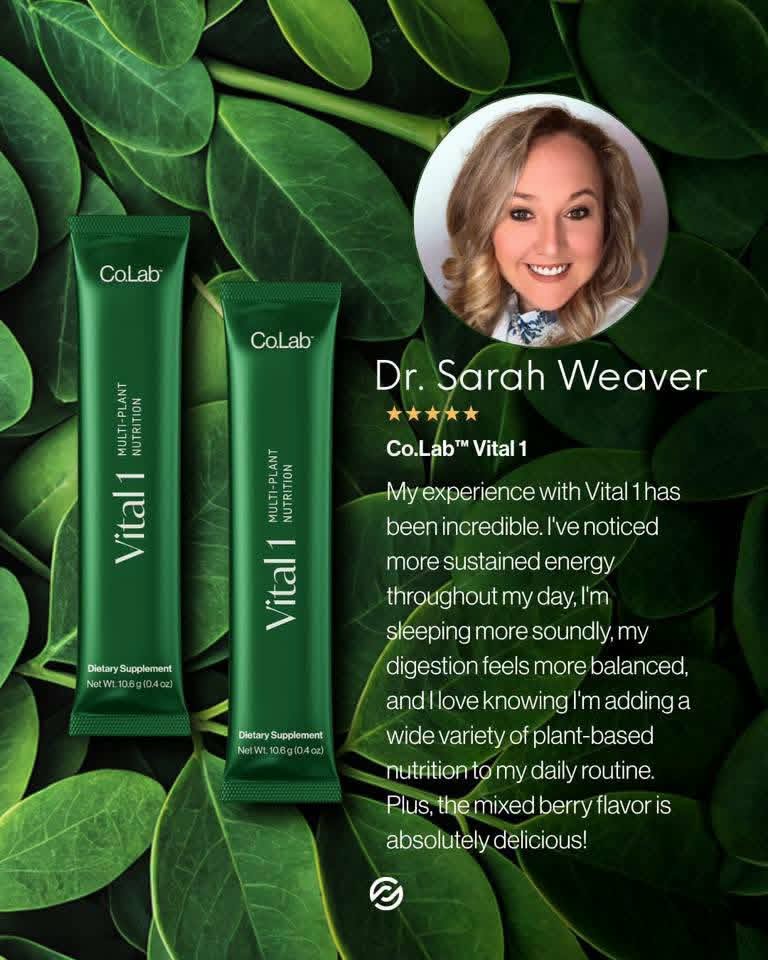
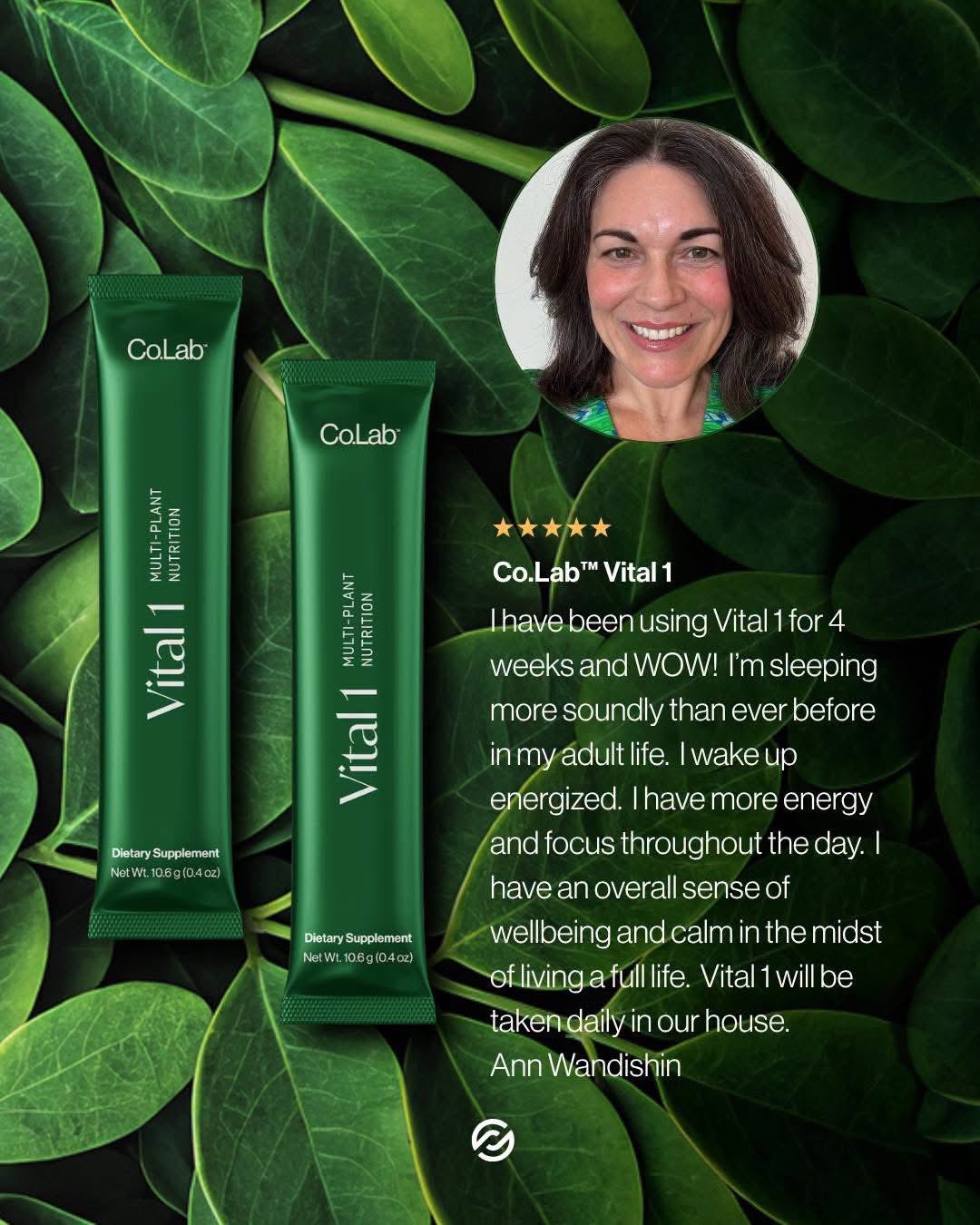
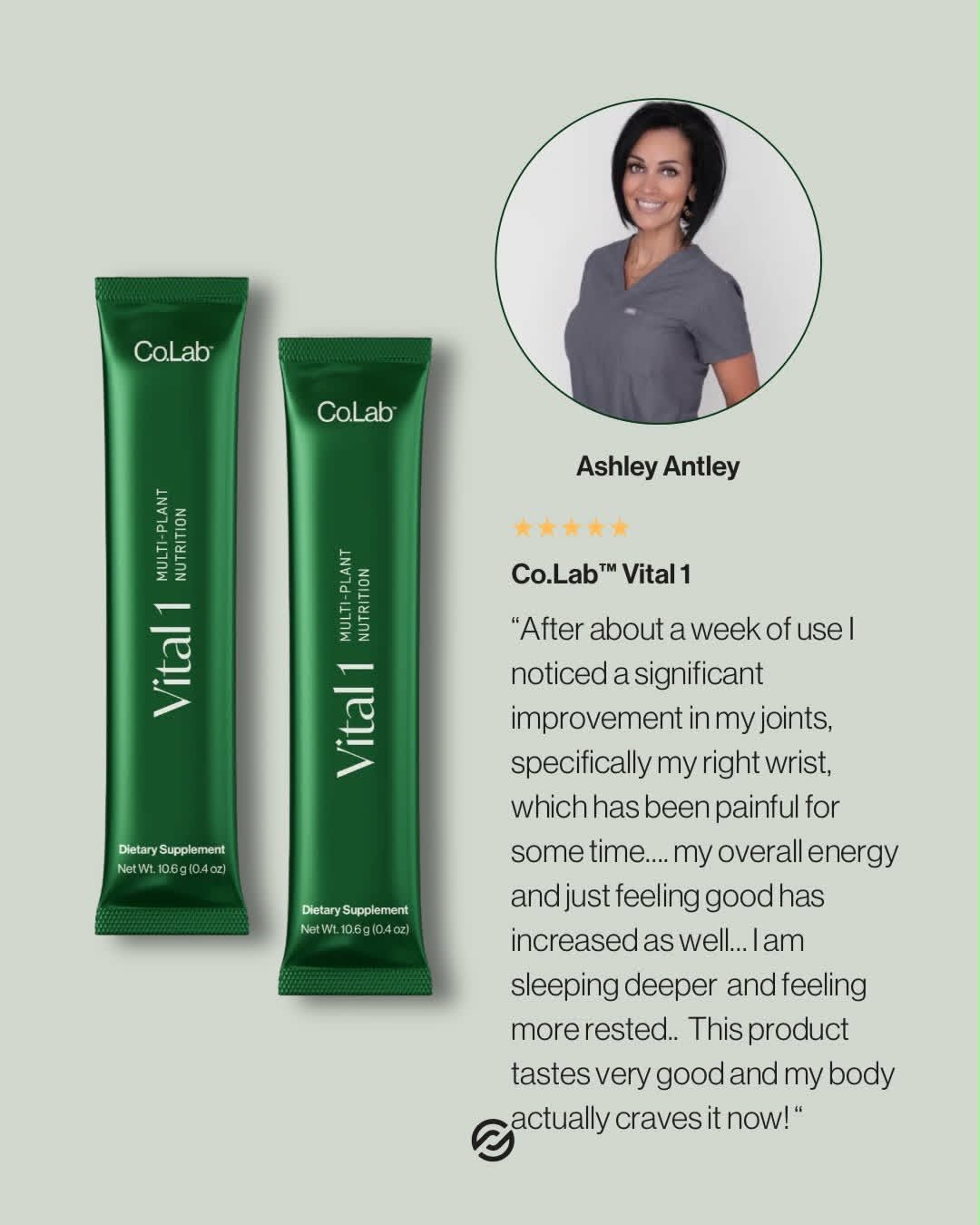
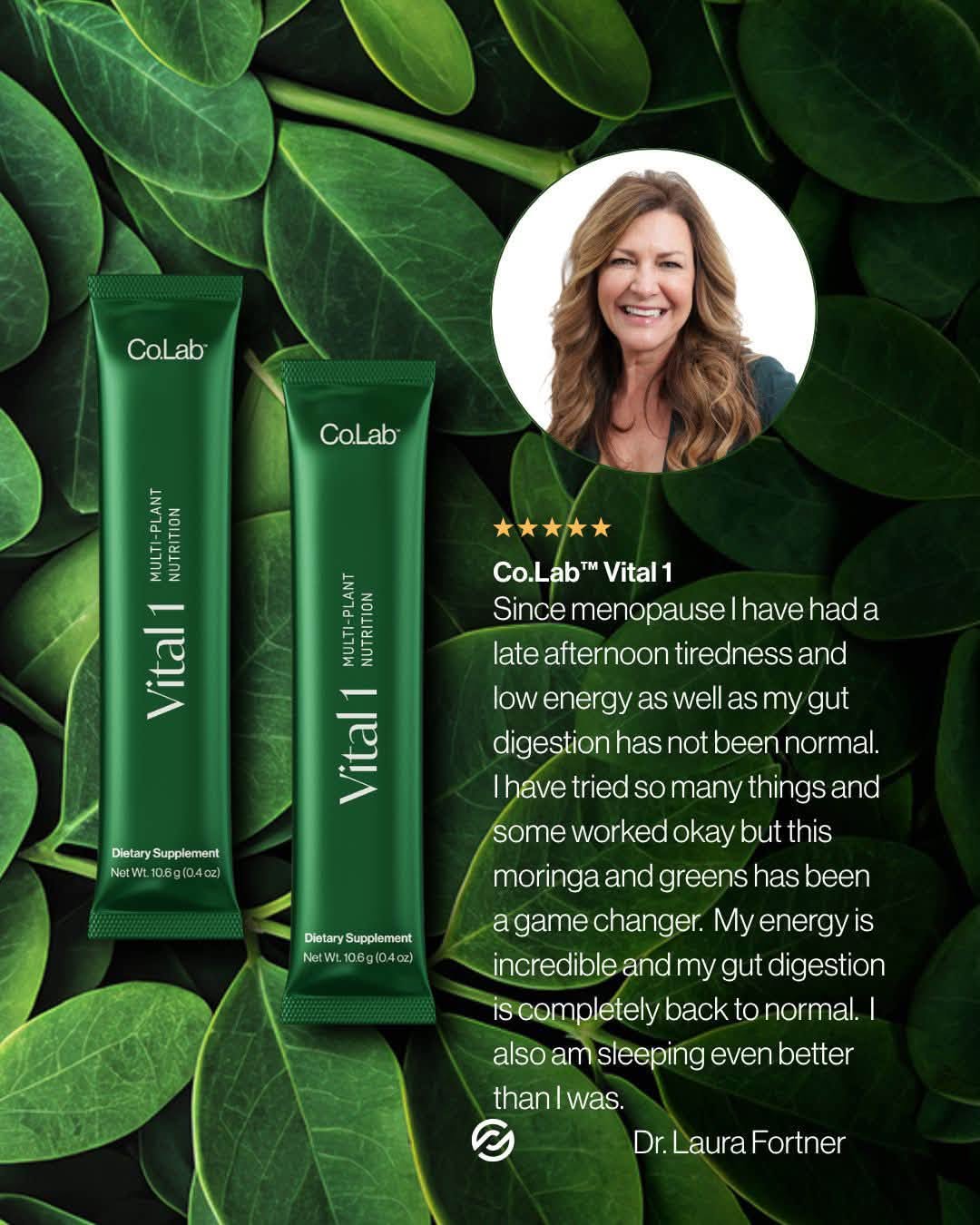
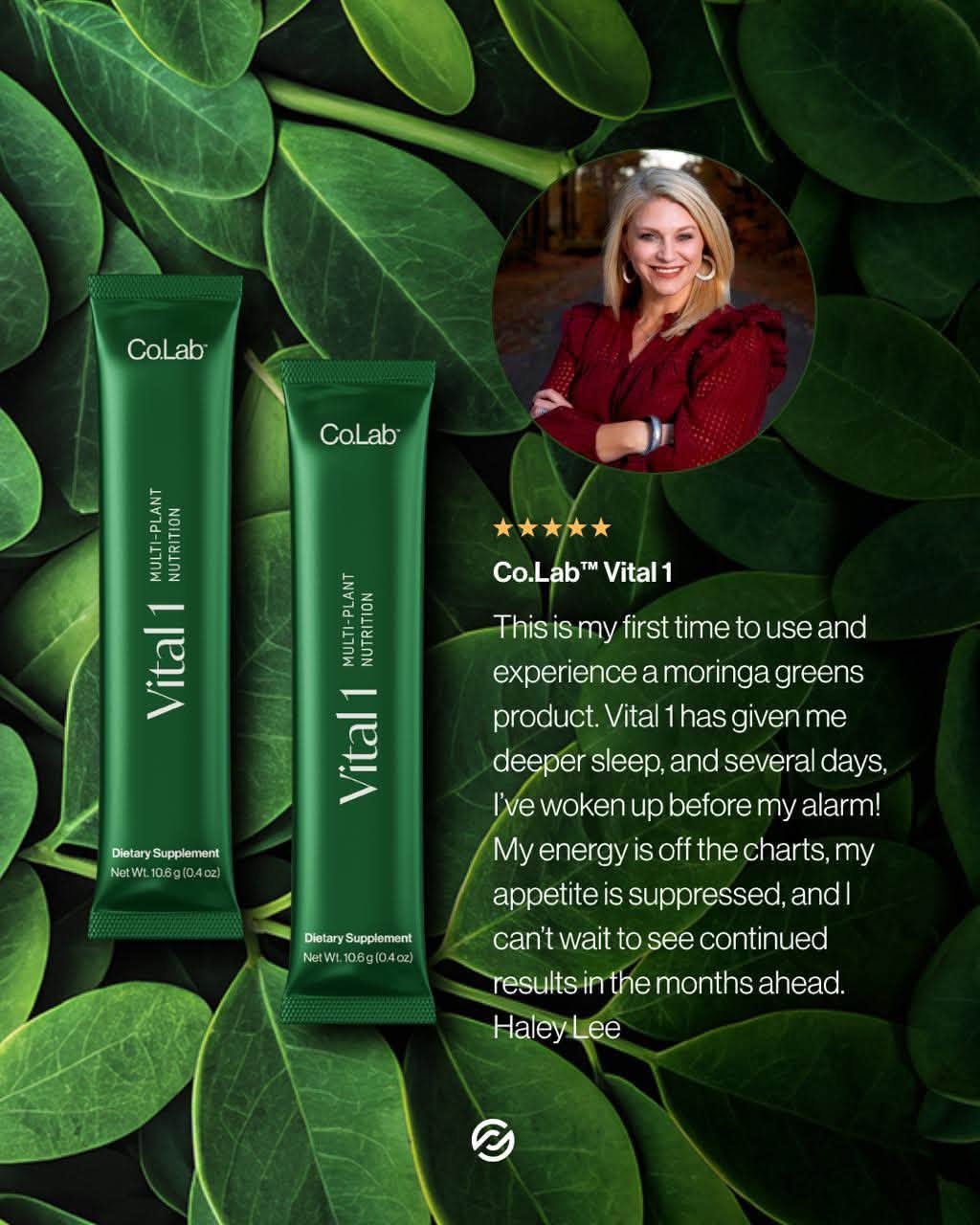
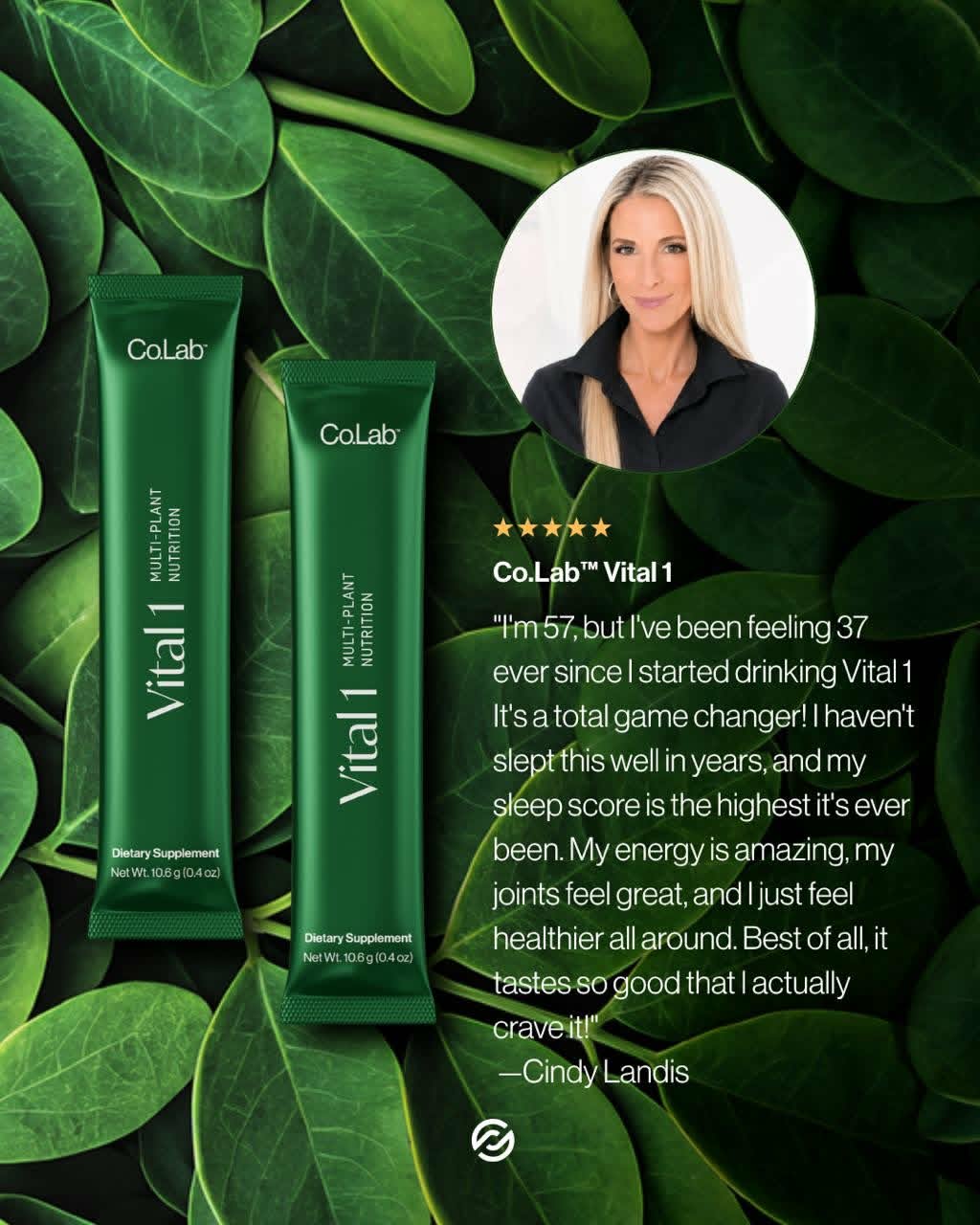
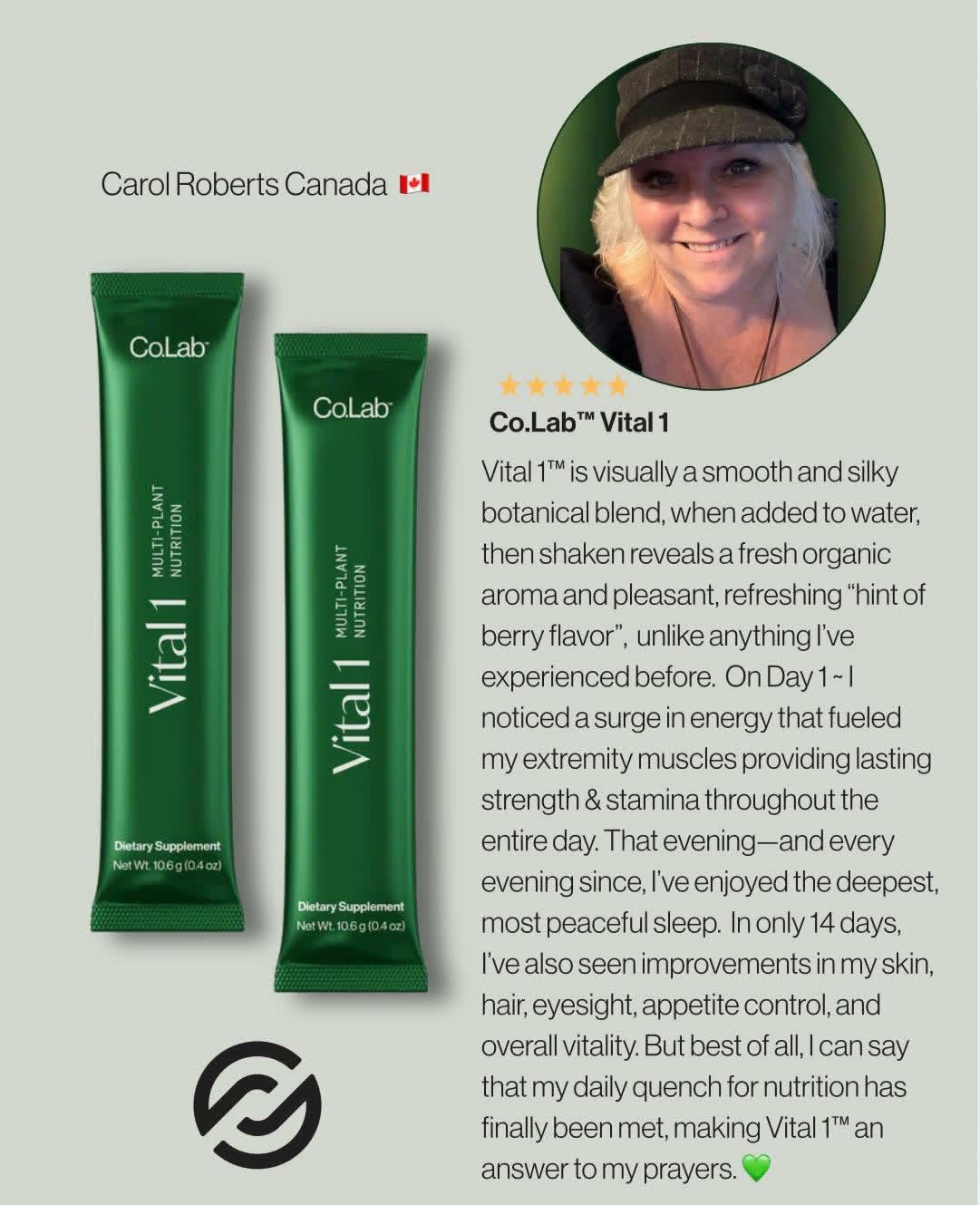
*Individual results may vary. These statements have not been evaluated by the Food and Drug Administration. This product is not intended to diagnose, treat, cure, or prevent any disease.
Where moringa is grown significantly affects its nutritional density. Many wellness experts emphasize that moringa sourced from regions with long cultivation histories — particularly South Asia and parts of Africa — tends to produce plants with higher concentrations of beneficial compounds. Premium producers often disclose the specific growing region and cultivation practices.
The nutritional content of moringa leaves, seeds, and fruit varies depending on when they are harvested. Research suggests that harvesting at the right stage of maturity — before the plant begins to flower — preserves higher levels of antioxidants and key nutrients. Products that reference harvest timing or maturity windows are generally paying closer attention to the science.
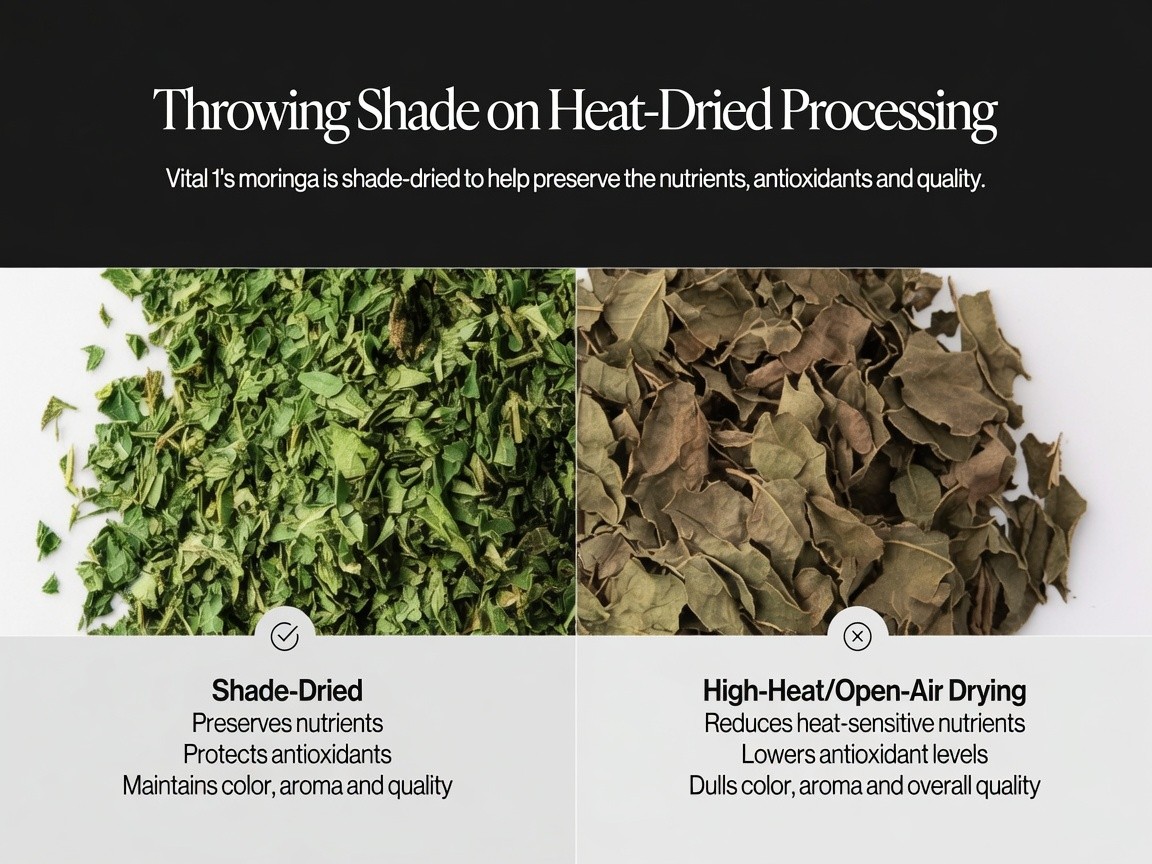
How moringa is dried after harvest has a measurable impact on what remains in the finished product. High-heat processing is the industry standard because it's fast and cost-effective, but studies show it can degrade heat-sensitive vitamins, antioxidants, and other compounds. Shade drying — a slower, lower-temperature method — is widely considered to better preserve the plant's original nutritional profile.
Most commercially available moringa products use only the leaves, which are the easiest part to process. However, the seeds contain unique fatty acids and antioxidant compounds not found in the leaves alone, while the fruit — known as drumstick pods (the terms fruit, pod, and drumstick all describe the same part of the tree) — provides additional Vitamin C and phytonutrients. Formulations that incorporate multiple parts of the plant deliver a broader range of naturally occurring compounds.
“Quality Moringa isn't just about the plant — it's about meticulous sourcing, optimal harvesting, and gentle processing that preserves the delicate nutrients nature intended.”

— Joshua Plant, PhD
Harvard-trained biomedical scientist and botanical formulation expert with 13+ years developing evidence-based nutritional products
Joshua Plant, PhD, earned his doctorate in Biomedical Sciences at Harvard University and has spent over 13 years in botanical formulation and nutritional science. Vital 1 is the product of that research — built around whole-plant principles, sourcing integrity, and the belief that consistency over time is what produces real nutritional results.
Evidence-based articles that separate scientific research from marketing hype — each claim traced back to the studies behind it.
More topics coming soon — blood sugar, cholesterol, inflammation, brain health, and healthy aging.
Evidence-based articles on nutrition, whole-food wellness, and the science behind what you put in your body.
Many people incorporate moringa into their daily routine as part of a balanced diet and healthy lifestyle. In clinical studies, moderate daily doses have been well tolerated. As with any supplement, individuals with existing health conditions or those taking medication may want to consult a healthcare provider.
Leaf-only products use the most accessible part of the moringa tree. Whole-plant formulations also include the seeds and fruit, which contribute fatty acids, additional antioxidant compounds, and phytonutrients not found in the leaves alone. The broader the range of plant parts, the wider the nutritional profile.
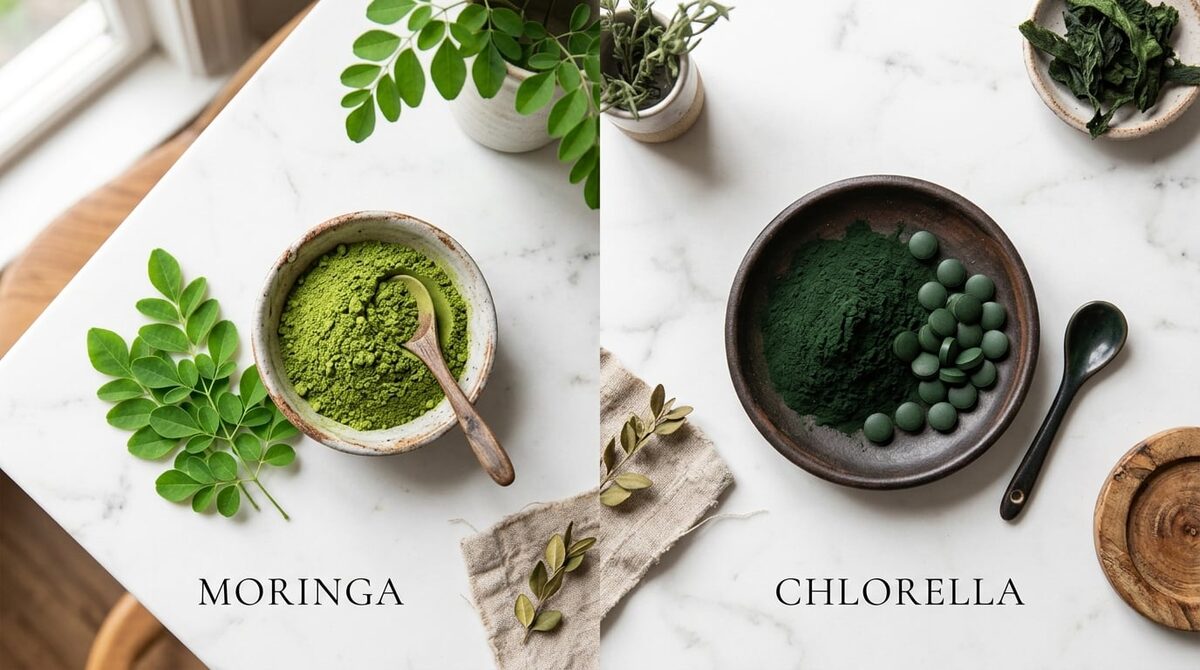
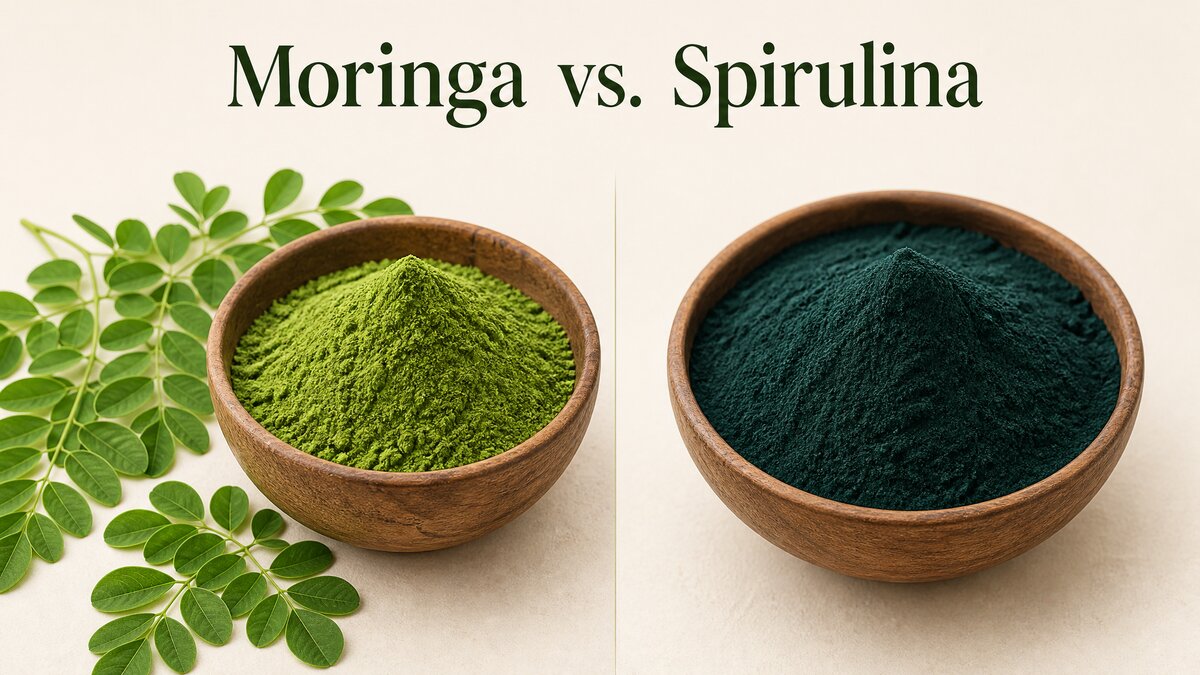
Each has distinct strengths. Spirulina is notably high in protein and B12. Chlorella is known for its chlorophyll content and detoxification properties. Moringa offers all nine essential amino acids, a broad antioxidant profile, and a unique combination of vitamins and minerals from a single plant source. They are complementary rather than competitive.
Whole-food nutrition works differently than isolated compounds. Many users report noticing subtle improvements in energy, digestion, or overall well-being within a few weeks of consistent daily use, though individual experiences vary. Nutritional science generally supports the idea that consistency over time produces the most meaningful results.
Moringa oleifera has been the subject of thousands of peer-reviewed studies. PubMed currently lists over 4,000 publications examining its nutritional composition, bioactive compounds, and potential health applications. While more human clinical trials are always welcome, the existing body of research is substantial.
Lasting nutrition doesn't come from isolated compounds or quick fixes — it comes from whole-food sourcing, careful processing, and consistency over time. Moringa is one of the most studied and nutrient-dense plants available, and understanding what makes it work is the first step toward making it work for you.
If you want to go deeper, explore our complete guide to Moringa, learn why whole-plant sourcing matters, or browse the latest research articles on our blog.
Everyone who joins was invited by someone who believes in this. Your Wellness Guide is a real person who uses Vital 1 themselves and is here to answer your questions, share their experience, and help you get started.
Were you referred by someone? They're your personal Wellness Guide. If you found us on your own, we'll connect you with a guide who can help.
Get StartedVital 1 by CoLab is here. Connect with your personal Wellness Guide to learn more, get your questions answered, and find the best way to get started.
Learn More4,000+
Research Publications on PubMed
20+
Human Clinical Studies
9
Essential Amino Acids (All Nine)
3
Usable Plant Parts (Leaves, Seeds, Fruit)